
One of the first decisions on any New Zealand construction project is how to house your team. A portable site office gives project managers, engineers, and crews a warm, secure base from day one, but should you hire that office or buy it outright? The right answer depends on your project length, how often you'll reuse the building, and how you want to manage cost across the job. Get the decision right and you keep cash flow healthy while still meeting your welfare obligations; get it wrong and you either tie up capital in an idle asset or pay hire fees long after buying would have paid for itself. This guide breaks down the hire versus buy decision, the cost factors worth planning for, and the questions to work through before you commit.

The Case for Hiring a Site Office
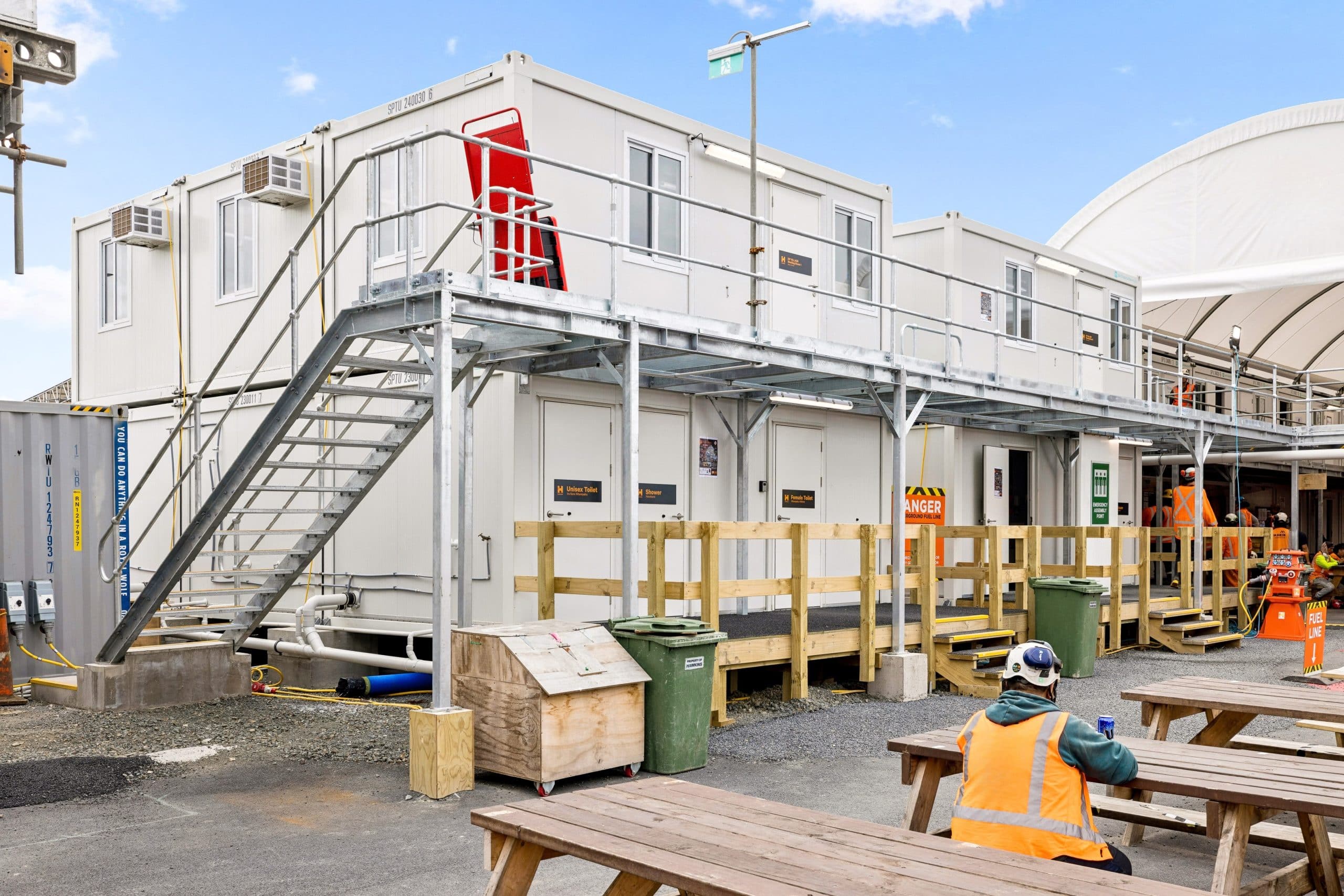
For most project-based construction work, hiring is the simplest and most cost-effective route. You pay for the space only while you need it, avoid a large upfront outlay, and hand the building back when the job wraps. There's no asset sitting idle between projects and no disposal cost at the end.
Hiring makes sense when:
- The project has a defined start and end date
- You want to minimise capital expenditure
- Flexibility matters, and your space needs may change
- You need a building on site quickly, without a purchase process
Because hire units are delivered ready to use, a site office can be levelled and connected within days rather than months. That speed is invaluable on projects with tight start dates, and it means your project manager has a base to coordinate subcontractors and run toolbox meetings before the main structure is even out of the ground. Hiring also keeps the building off your balance sheet as an asset, with no depreciation to track and no residual value to worry about when the job wraps. You can review available portable buildings for hire to understand typical rental options.
The Case for Buying
Purchasing a site office makes financial sense when the building will see long-term or repeated use. For construction companies running back-to-back projects, owning a fleet of offices, lunchrooms, and ablutions can work out cheaper than continuous hire over several years.
Buying is worth considering when:
- The building will be used across multiple projects
- You want full control over configuration and fit-out
- The unit will be relocated between different sites over time
- You have somewhere to store it between jobs
Ownership also gives you certainty. The building is always available when you win the next contract, with no dependence on hire availability during busy periods. You can specify the exact layout and fit-out you want, and any modifications carry across from one job to the next. The trade-off is the upfront capital cost and the responsibility for storage, maintenance, and transport between sites. As a rough rule, the longer and more repeated the use, the stronger the case for buying. Organisations using the same buildings repeatedly can explore portable buildings for sale to compare options.
Understanding the Cost Components
Whether you hire or buy, the sticker price is only part of the picture. Portable building costs combine several elements, and understanding each one helps you budget accurately.
- Building hire or purchase price — driven by size and fit-out level.
- Transport and delivery — costs vary with distance to site.
- Crane or HIAB placement — larger units may need a crane lift.
- Site preparation — level ground or prepared foundations.
- Utility connections — power, data, and plumbing where required.
A basic site office will sit at the lower end of the range, while units with kitchens, plumbing, or ablution facilities cost more due to the additional services and fittings. Our full costs, contracts and hire terms guide walks through what to budget for in detail.
Planning Your Site Office Budget
The best way to avoid surprises is to scope your requirements early. Before requesting a quote, work through a few practical questions:
- How long is the project? Short-term and long-term hires often carry different rate structures.
- How many people need the space? This determines office size and whether you'll also need lunchrooms and ablutions.
- Can trucks and cranes reach the site? Tight access can influence delivery logistics and cost.
- Will you reuse the building? Repeated use across projects tips the maths toward buying.
Thinking through these factors up front lets you compare hire and purchase on a like-for-like basis. Our planning your portable building guide covers site prep, positioning, and the questions worth answering before the truck arrives.
Contract Terms Worth Checking Before You Hire
If you decide to hire, the agreement matters as much as the rate. Reviewing a few key terms up front helps you avoid unexpected charges later:
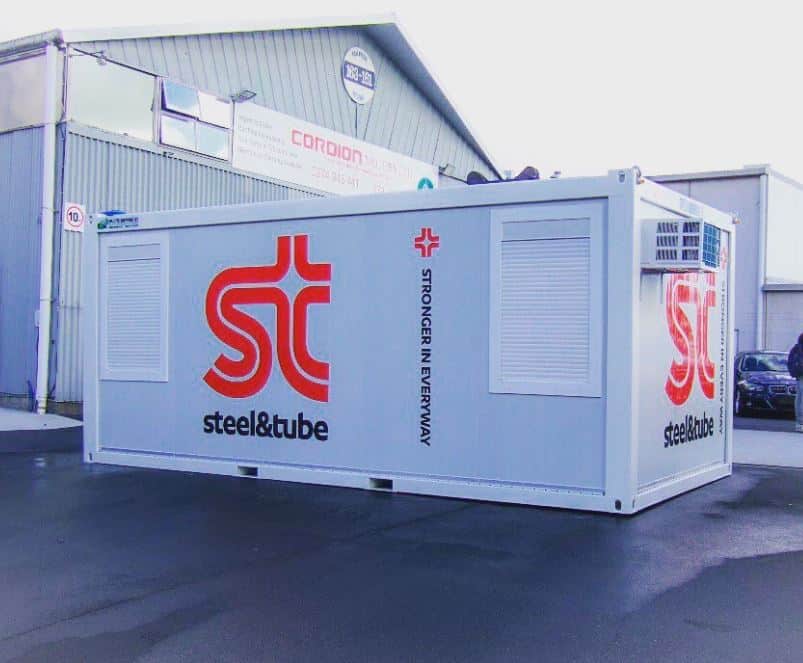
- Minimum hire periods — many units, especially those needing a crane, carry a minimum term before monthly hire begins.
- Delivery and collection terms — confirm what's included and who arranges positioning.
- Damage and maintenance — understand your responsibilities for the unit during the hire.
- Insurance requirements — check what cover you need to hold on the building.
- Relocation conditions — know the terms if you need to move the unit as your site evolves.
After the minimum period, hire typically continues month to month until you arrange collection, which gives you flexibility if the project runs long. Clarifying these points before signing keeps your budget predictable from quote through to hand-back.
Making the Right Choice for Your Project
There's no single right answer. A one-off, twelve-month roading job almost always favours hire, while a busy contractor cycling through back-to-back projects year-round may find ownership pays off within a couple of jobs. Many businesses land on a mix, owning a core set of frequently used units and hiring extra capacity when a large contract demands it. The key is to match the decision to your project pipeline, cash flow, and how much flexibility you value. Run the total cost over the realistic life of the building rather than comparing a single month's hire against a purchase price. When you've weighed those trade-offs, the numbers usually point clearly one way.
Talk to Pacific Portable Buildings
Whether you're leaning toward hire or purchase, our team can help you scope the right setup for your budget and timeline. We supply New Zealand-built, compliance-ready site offices across Auckland, Hamilton, Tauranga, and the wider North Island. View our current availability or contact us for a tailored quote.